Showing posts with label xtr-2250. Show all posts

Saturday, April 6, 2013

Old School HiFonics Earthquake and Orion Installs - Jason's Review

Submitted article by Jason R

I'll show you a few different iterations of the MINI as well as the final install. I'm not as well versed or as tech savvy as some, so my reviews of the equipment might not be as in depth as one would like.

First we have the Hifonics Series VIII Zeus and Olympus. The Zeus powered a number of 10" subs until I settled on the Treo SSi 10.22. The Olympus ran a set of Genesis Profile 16's (2-way comps).
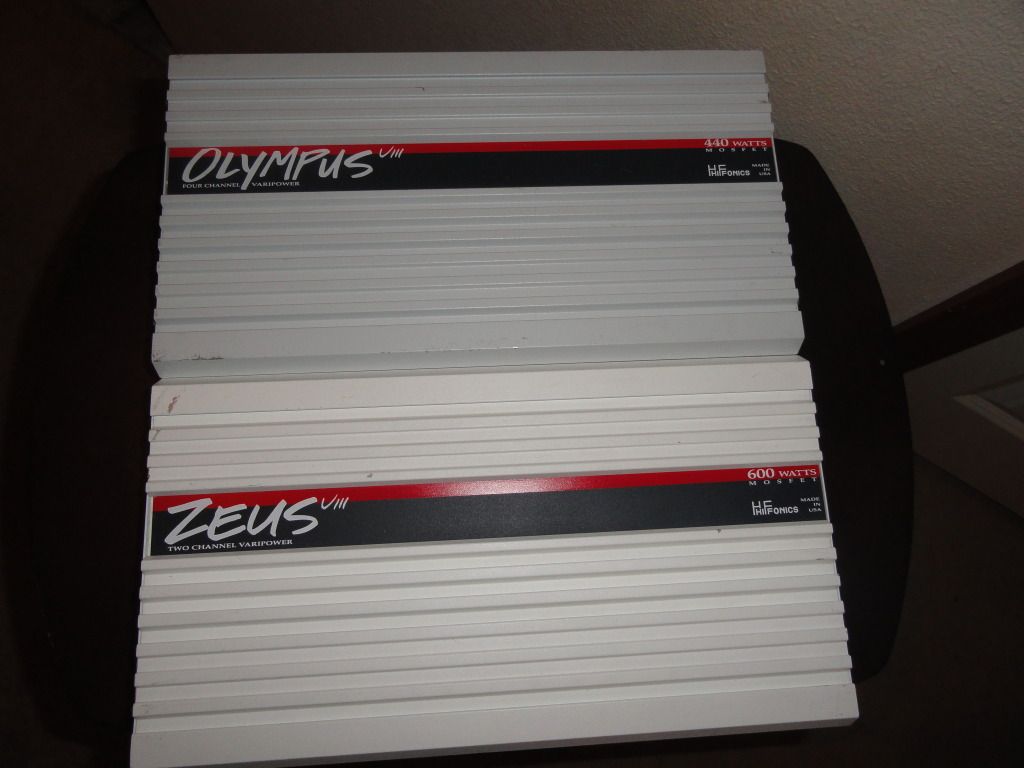
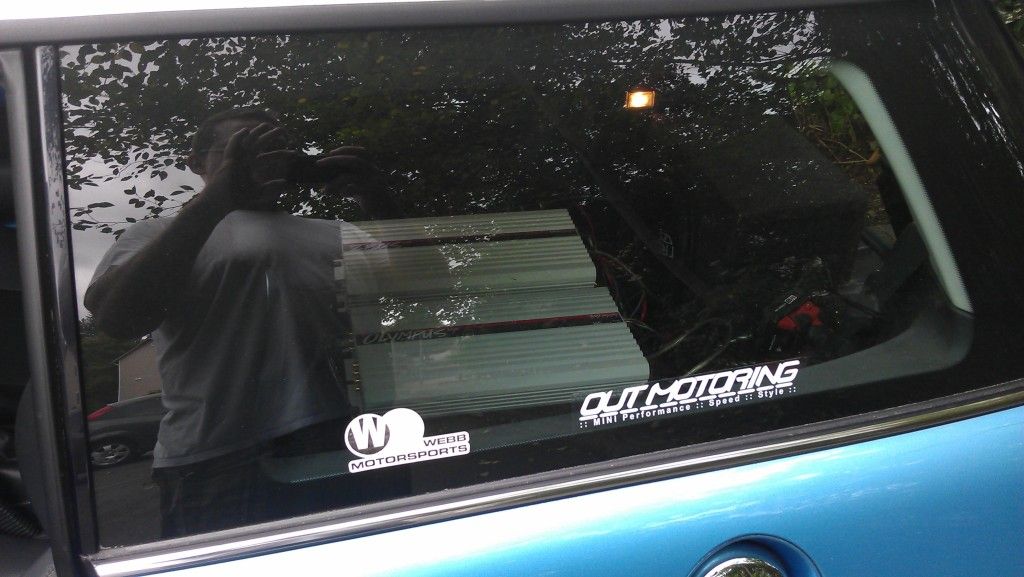
HiFonics Olympus and Zeus VIII Ampliifiers

Pics of the amps in the Mini

I have better pictures, I just can't find them. 

I had never run Hifonics before, so I didn't know what to expect. I am an Orion person, but my Orion amps are all too big for this car without having a rack of some sort. A plan for an Orion system was in the works, but until then I used the MINI as a rolling test bench. Normally, when I was impressed with something it would stay in for a month or so. Such as my smaller Orions or a few of the PPI's I had. There were others, but we'd be here all day. Anyways, I picked the Zeus up from a friend of mine in Houston, and as soon as I hooked it up (4 ohms bridged) I was taken aback by the brute force of this amp. I'd run other 2x300 amps before, but not like this. Whatever I was running to my comps at the time was made negligible. And being a sucker for sets like I am, I bought an Olympus. This amp reminded me of my Orion 2150 SX. I only used two channels of this four channel amp. 110+ watts per channel was more than sufficient for my 80 to 100 rms mids. Bridging was out of the question. Anyhow, I ran these two amps for close to a year. I was thoroughly impressed with the control and detail provided. I ran no outboard processors, other than a crossover, although I wish I had a Hifonics Vesta to control the Zeus. Also bear in mind that I never turn my gains up. They are not volume knobs. I'm a firm believer in big amps and high voltage head units. And yes, I understand the concept of level matching.

Zeus VIII, Olympus VIII, Treo SSi 10.22


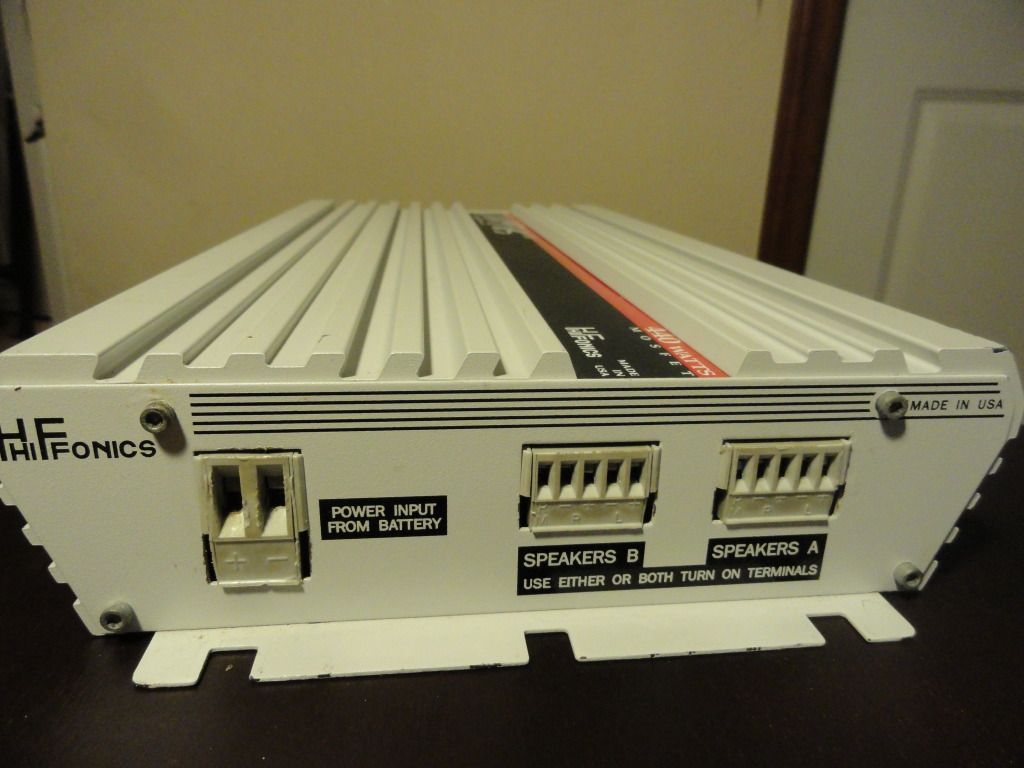
HiFonics Olympus VIII power and speaker connections


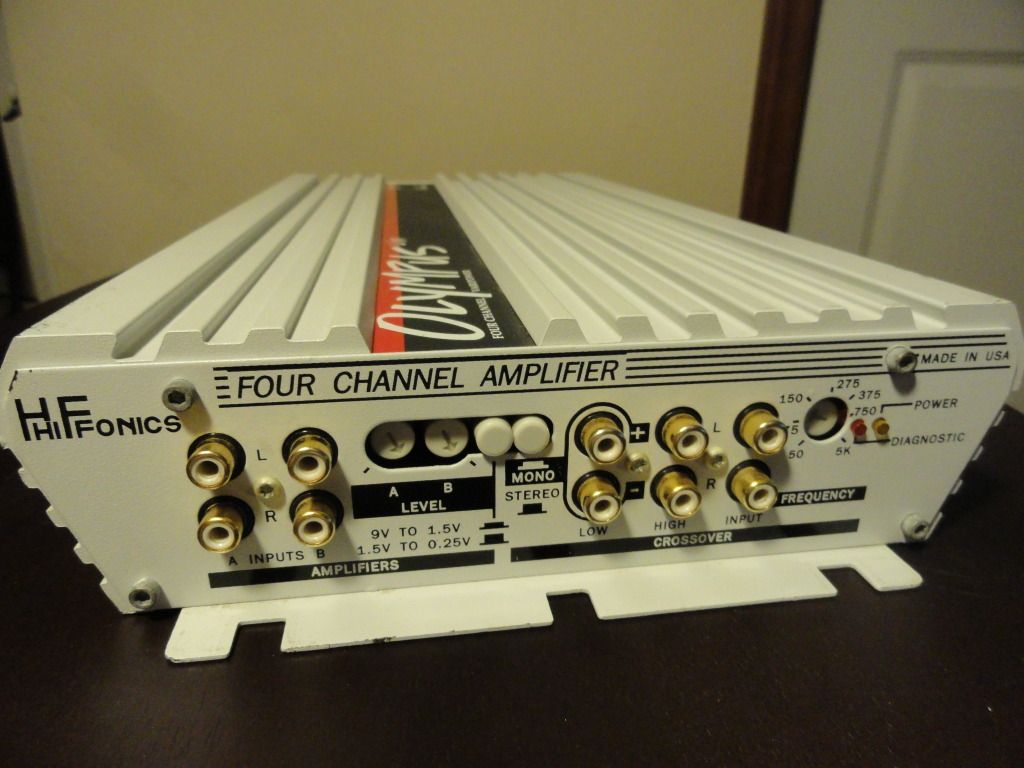
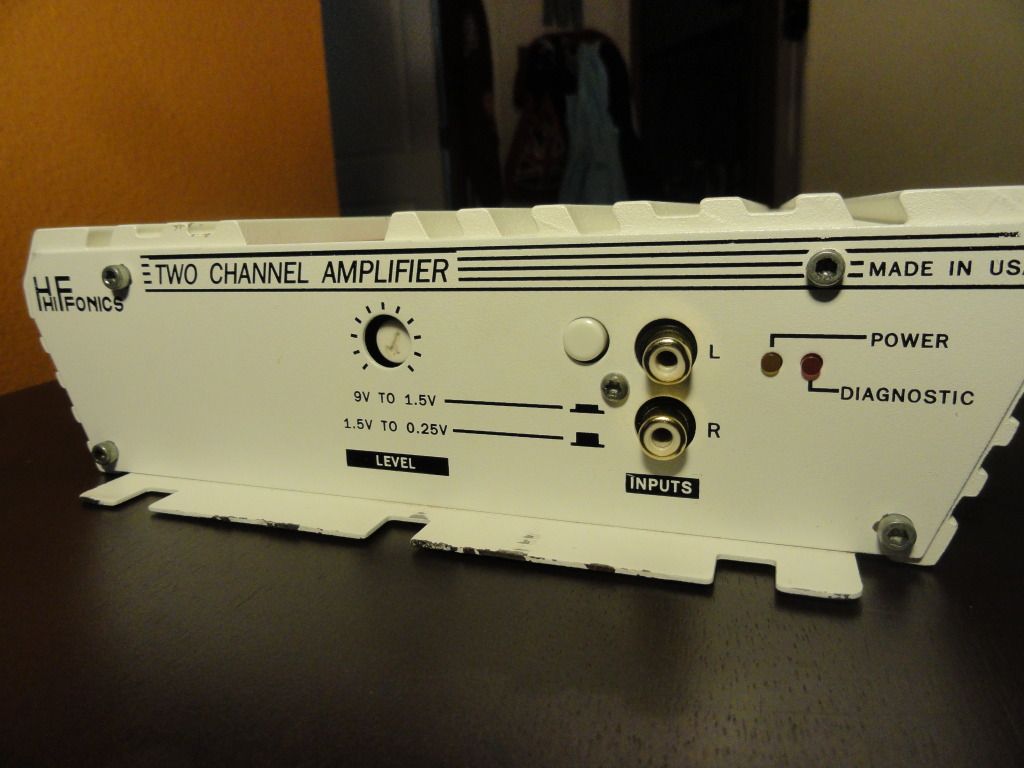
HiFonics Olympus VIII inputs and level controls


HiFonics Zeus VIII power and speaker connectors


HiFonics Zeus VIII inputs and gain control


How about some guts?


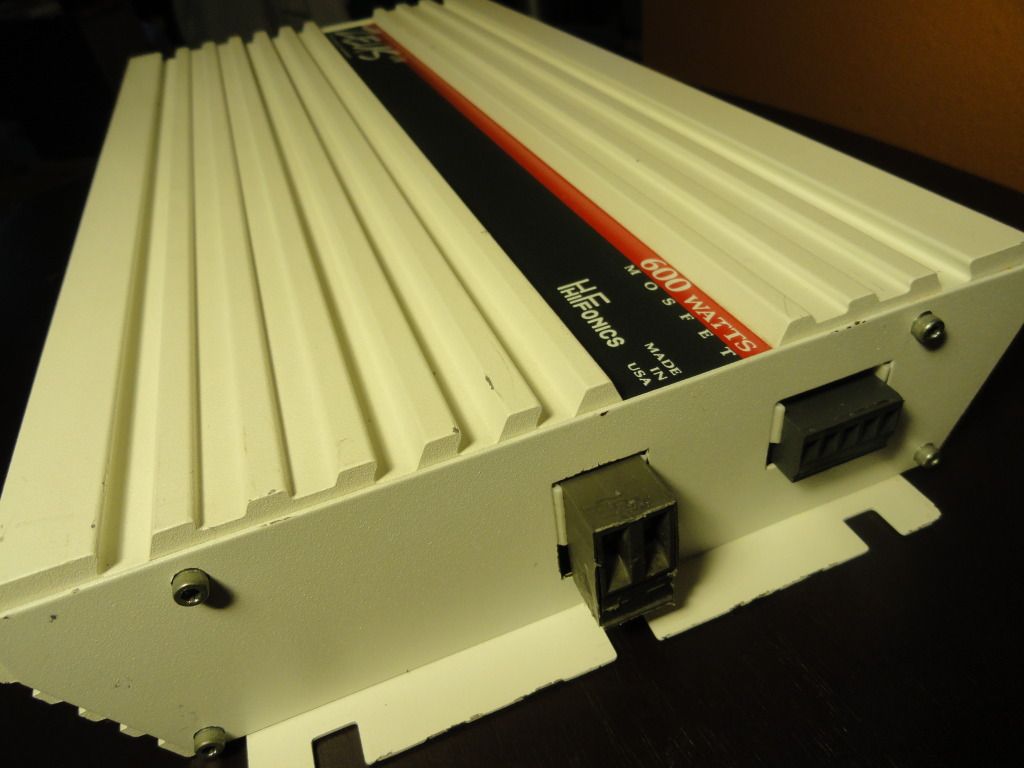
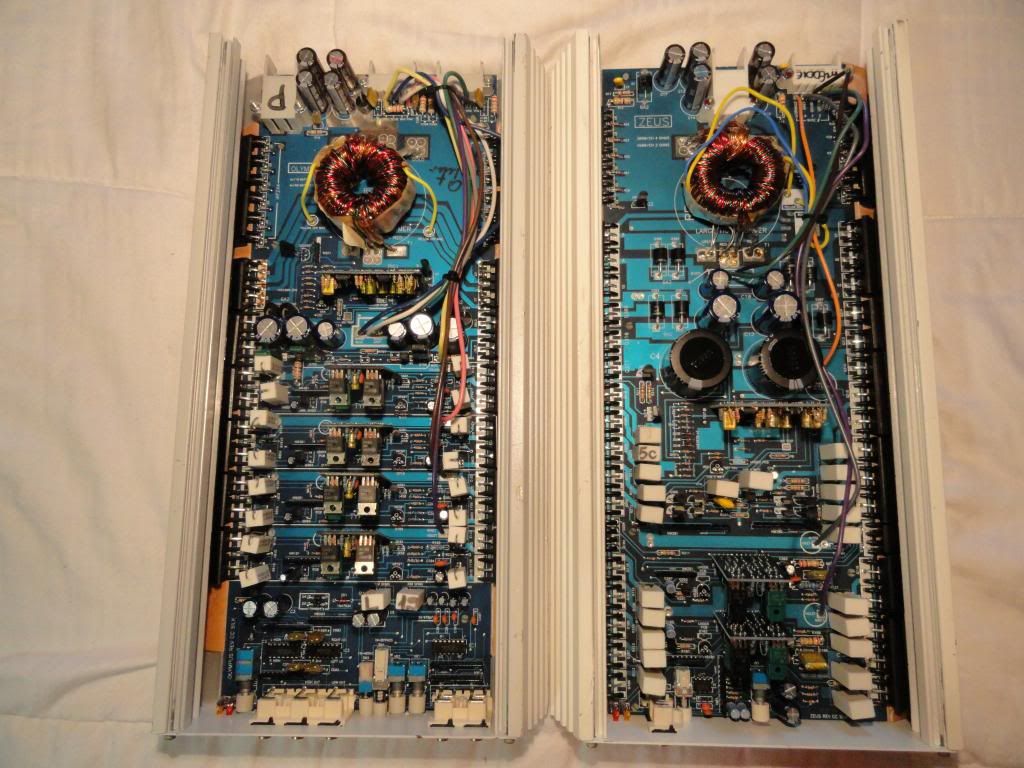
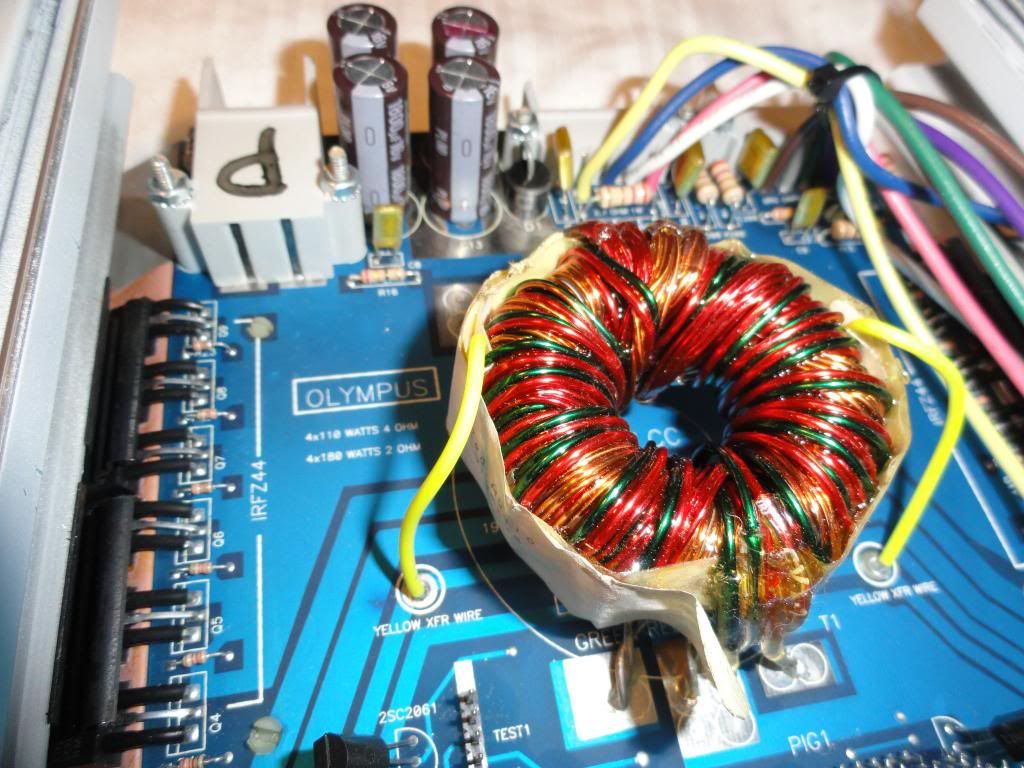
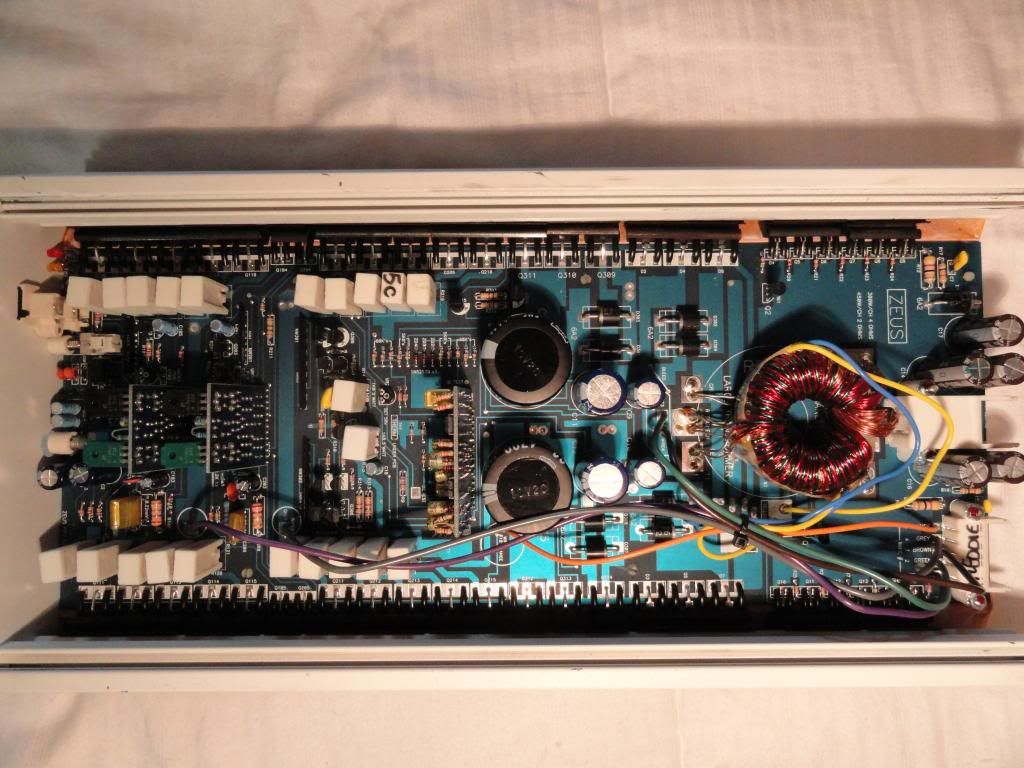
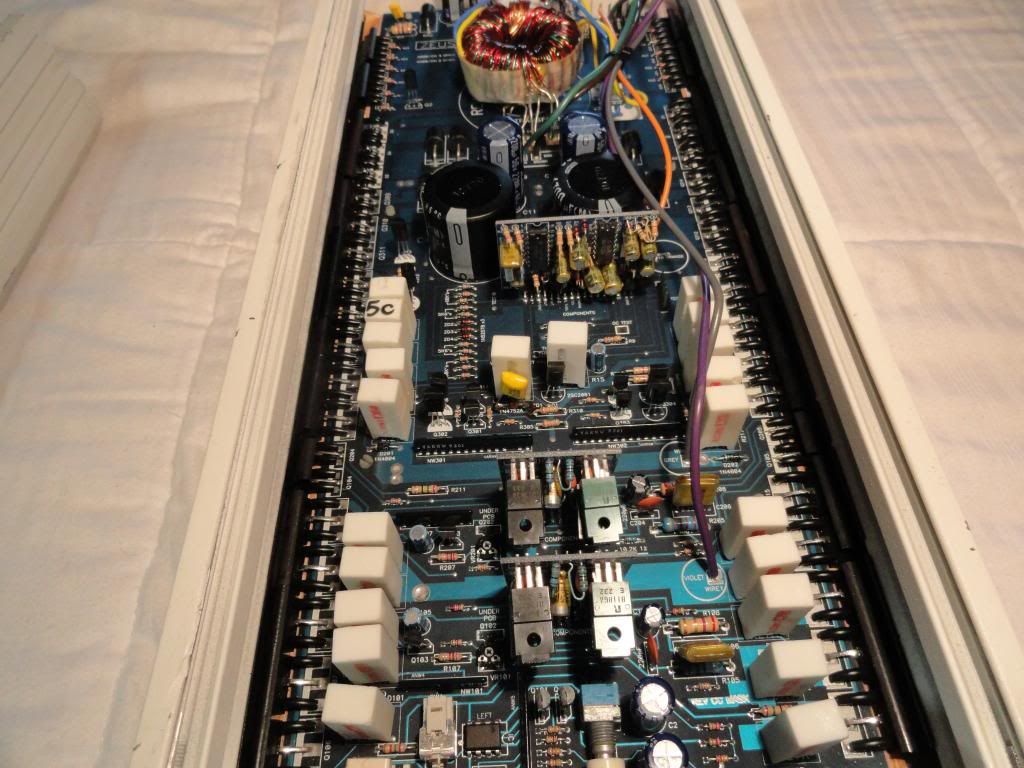
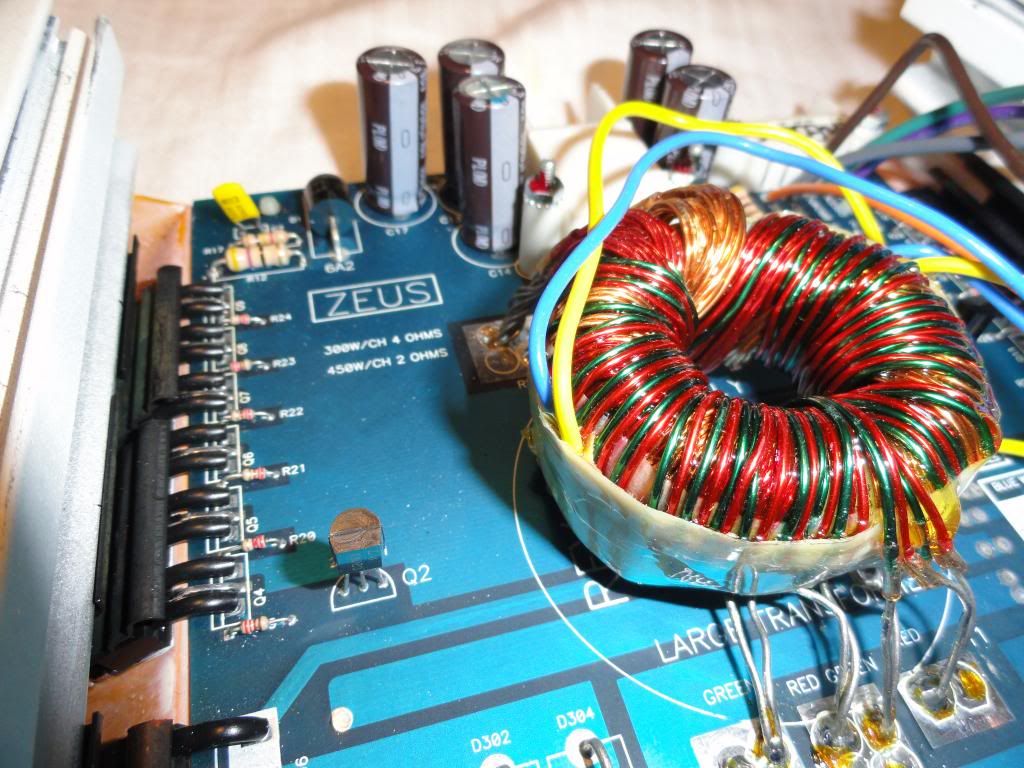
HiFonics VIII Amps - Zeus and Olympus


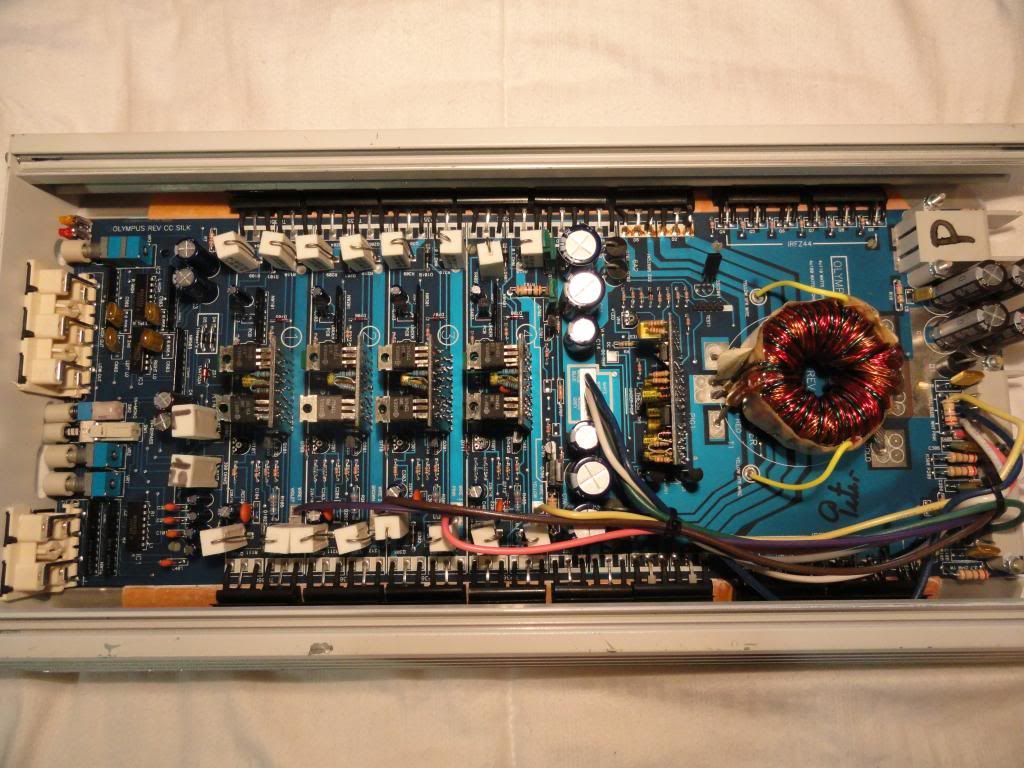
Olympus VIII Internals


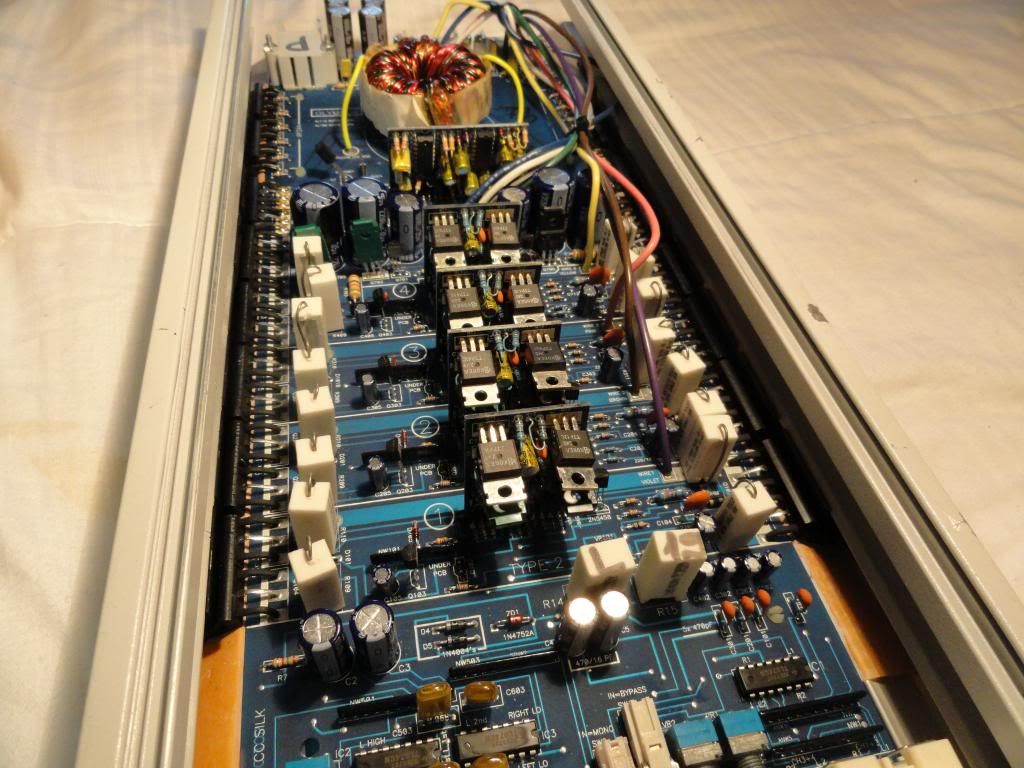
Olympus VIII Internals alternate angle


Olympus VIII Transformer


Zeus VIII Internals


Another angle of the Zeus VIII's Internals


The Zeus VIII's Transformer


I need to make this shorter or I'll be here all day. So I listened to the Hifonics and myself and everyone else who heard it was duly impressed. But I got bitten by a Mantz bug and started buying Earthquake amps. But Mantz didn't make Earthquake, you say? I was actually in the middle of paying one off when I learned that. The seller even thought I would change my mind about buying it. I didn't. Mostly because I don't back out of stuff, and also because I had just spoken with someone who spoke very highly of them. 

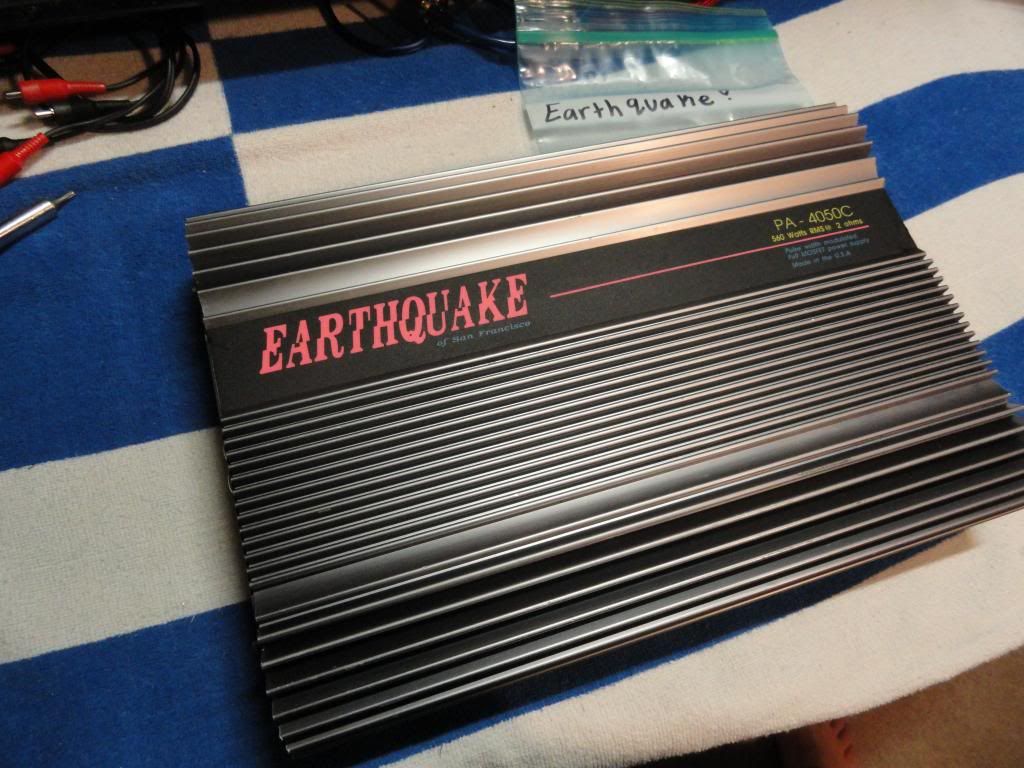
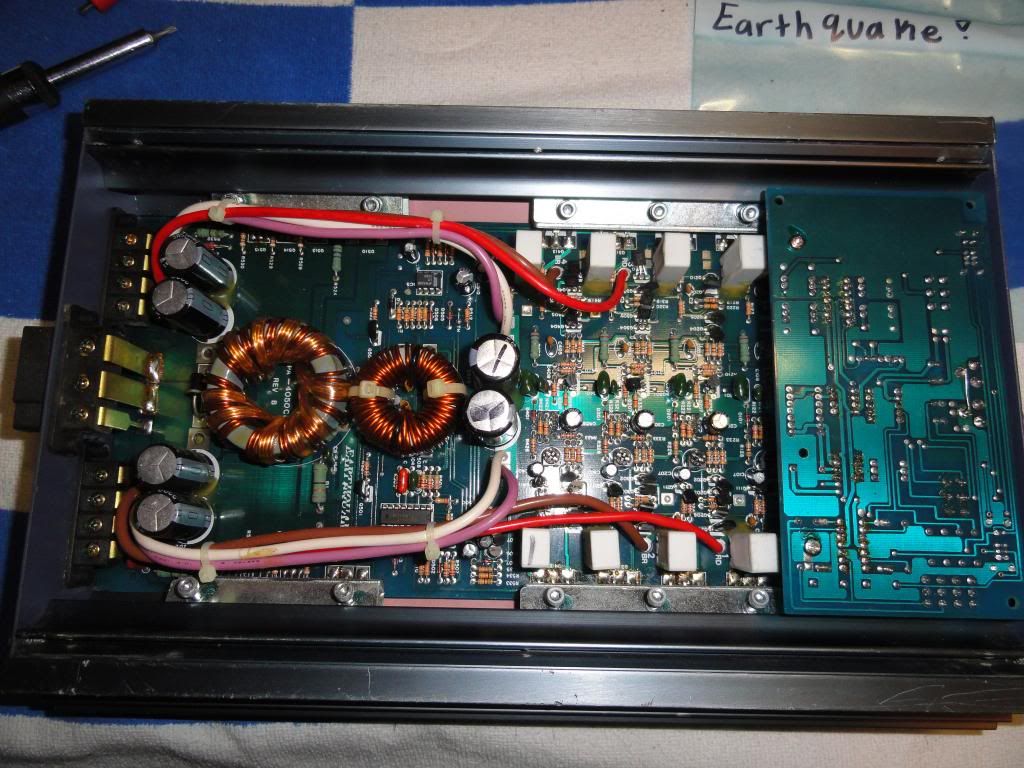
So onto the next phase; Earthquake MINI. I left all of the rest of the equipment untouched and switched out my Zeus for a PA-2300, and my Olympus for a PA-4050. However, I did one thing different. I bridged the 4050 into two channels.
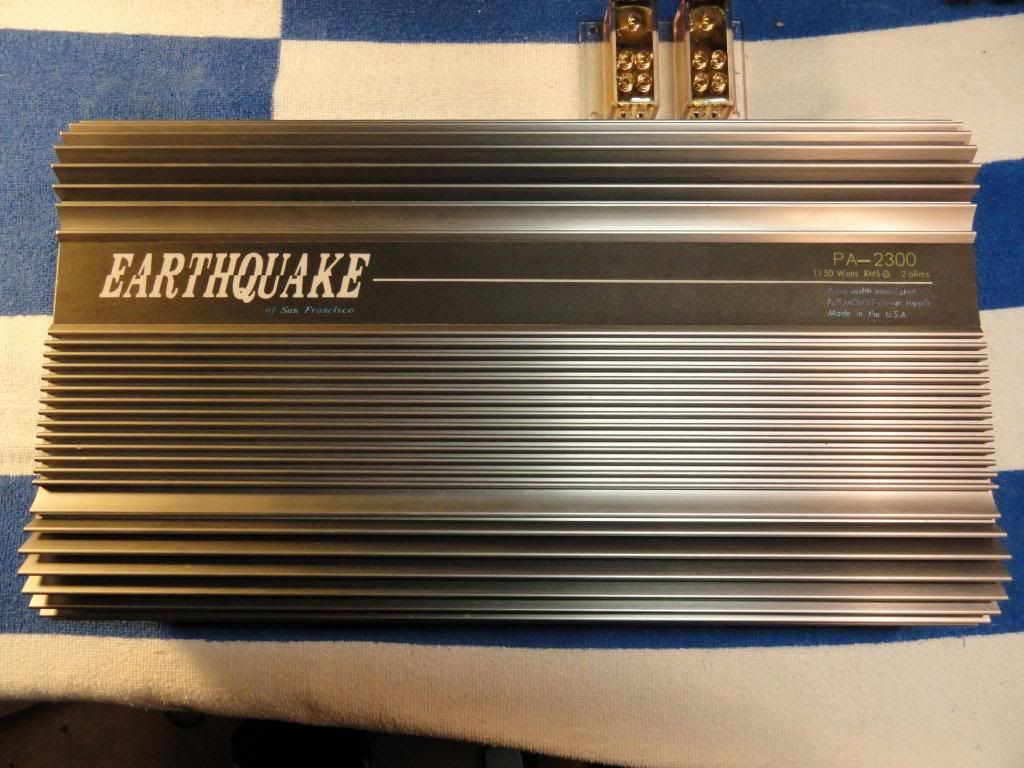
Earthquake PA-2300 in immaculate condition


This gut shot was taken before the amp was overhauled.
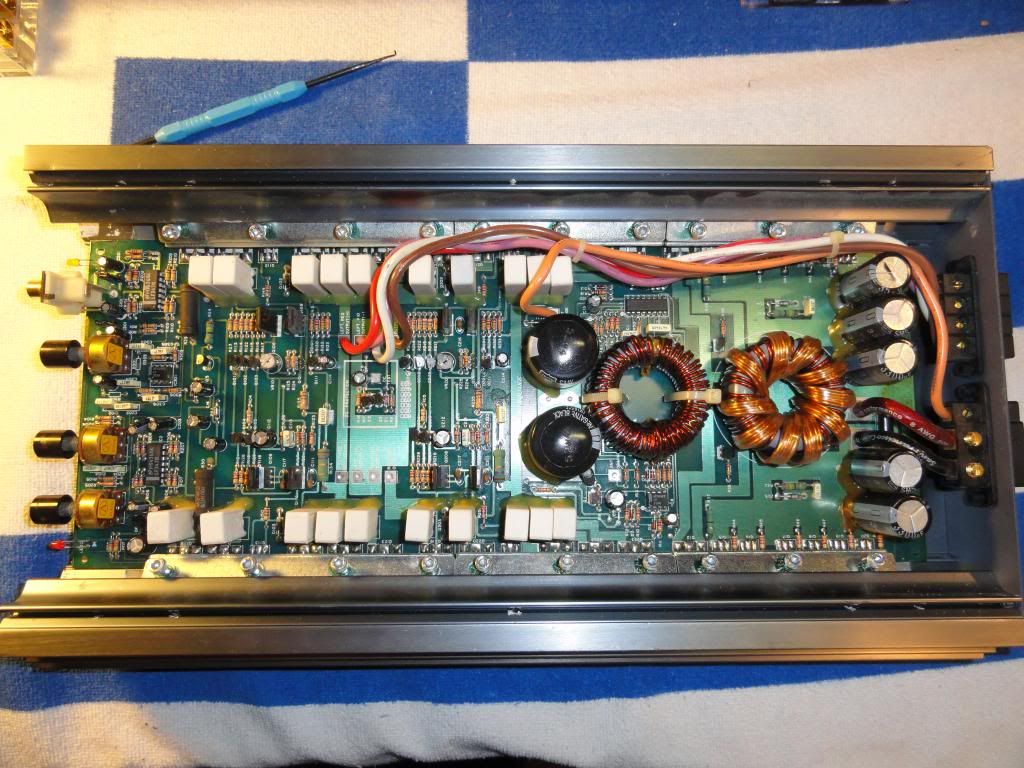
Earthquake PA-2300 Guts


Earthquake PA-4050c Exterior


Earthquake PA-4050c Internals


 Sadly, the only pictures of the install (if you want to call it that) were on my old phone. I can give a quick review though. The difference between the Earthquakes and the Hifonics was negligible. The front amps shouldn't be a very fair comparison because they are two different class ratings. And I will say that even bridged, the Earthquake however marvelous, still did not quite keep up with the Hifonics Olympus. Normal folks wouldn't be able to tell. And the only real difference I noted between the 2300's was that the Earthquake didn't come with the same violent tendencies as the Zeus. But it did offer wonderful control over my sub and all four amps were simply amazing. I use the word "amazing" a lot when I talk about some of this stuff.

Current install: Orion MINI. This is what I've been working on over the last few months. You will note that the amps are mounted to the box. Please pay this no mind as every precaution has been taken with both enclosure and mounting procedure. Normally I wouldn't do this, but for this install, my amps are very well protected.

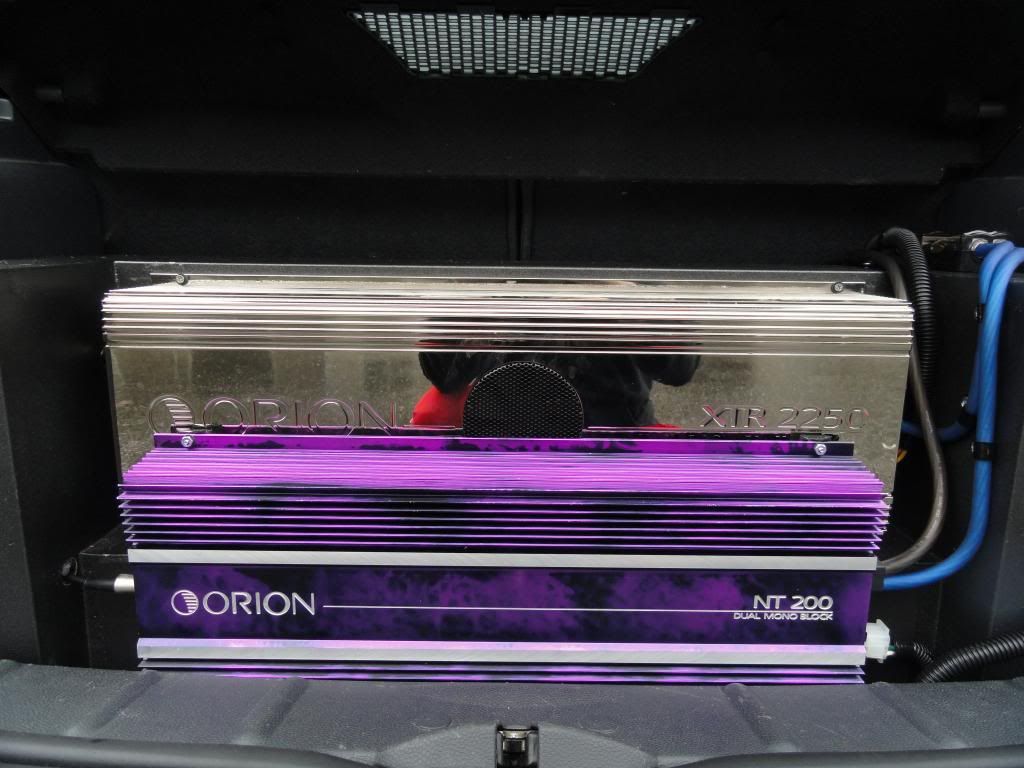
Custom Enclosure by Solid Sounds Designs also chrome Orion XTR-2250 and "the" Orion NT 200 

Front door speakers CDT ES-620 Golds and PPI EPX-205


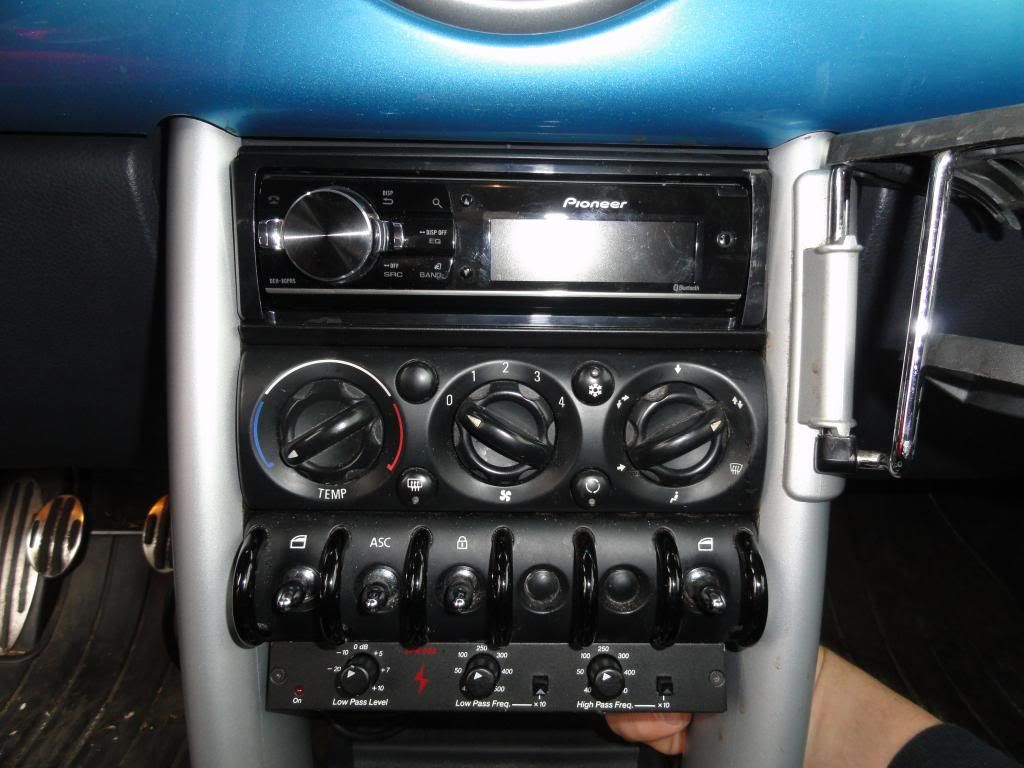
Pioneer DEH-P80RS head unit and PPI EPX-205 Crossover


I'm still building. So this is where it's "supposed" to go. And the reason I chose to run this crossover is because I needed control over my 2250, and I wanted to supply the correct voltage to my Orions. Not just 5 volts sometimes. And anybody that has one of these Pioneers knows what I mean when I say the menus are nonsense. The configuration now is my 2250 bridged to my Treo SSi 10.22. I changed my comps out to CDT ES-620 Golds. I had to do a bit of fabbing and cutting to get these in. I was going to go active, but 1; I didn't have the time to mess with it, and 2; I like the 4th order elliptical passives just fine. I think CDT did a wonderful job on these comps. They sound darn good with no tuning and in stock speaker location. I have the Upstage kit for them. Maybe one day I'll add them.
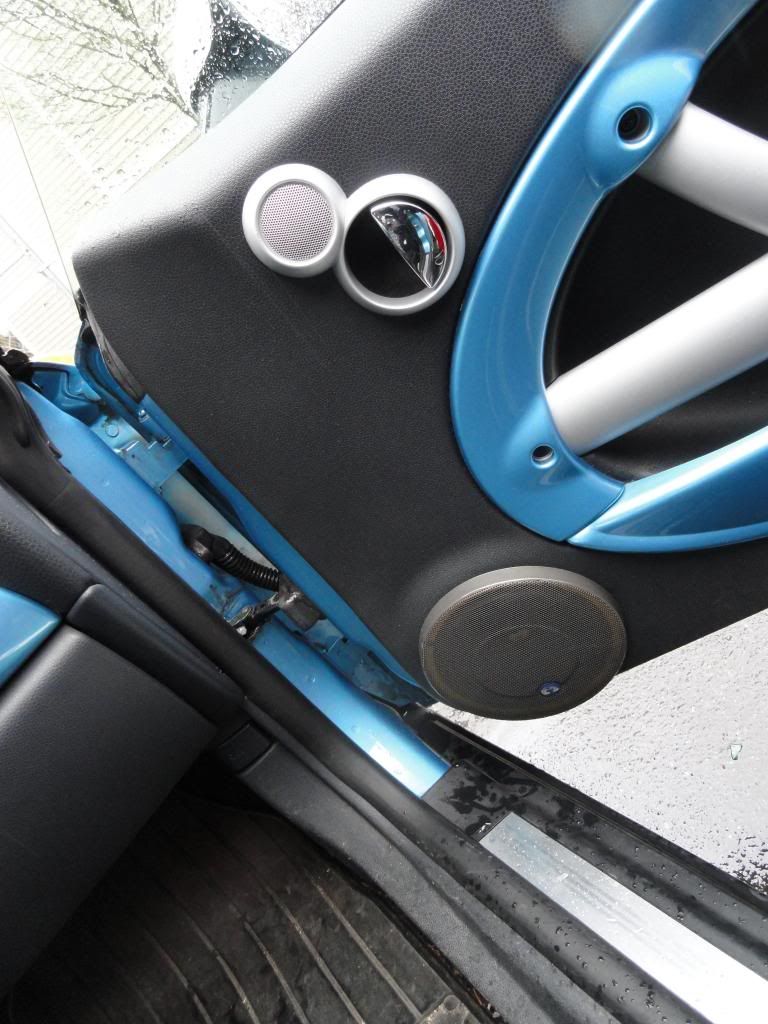
CDT ES-620's in the door


Here are the amps:

Orion XTR-2250 (chrome plated) and Orion NT 200


Rear view of the MINI with the Orion amps


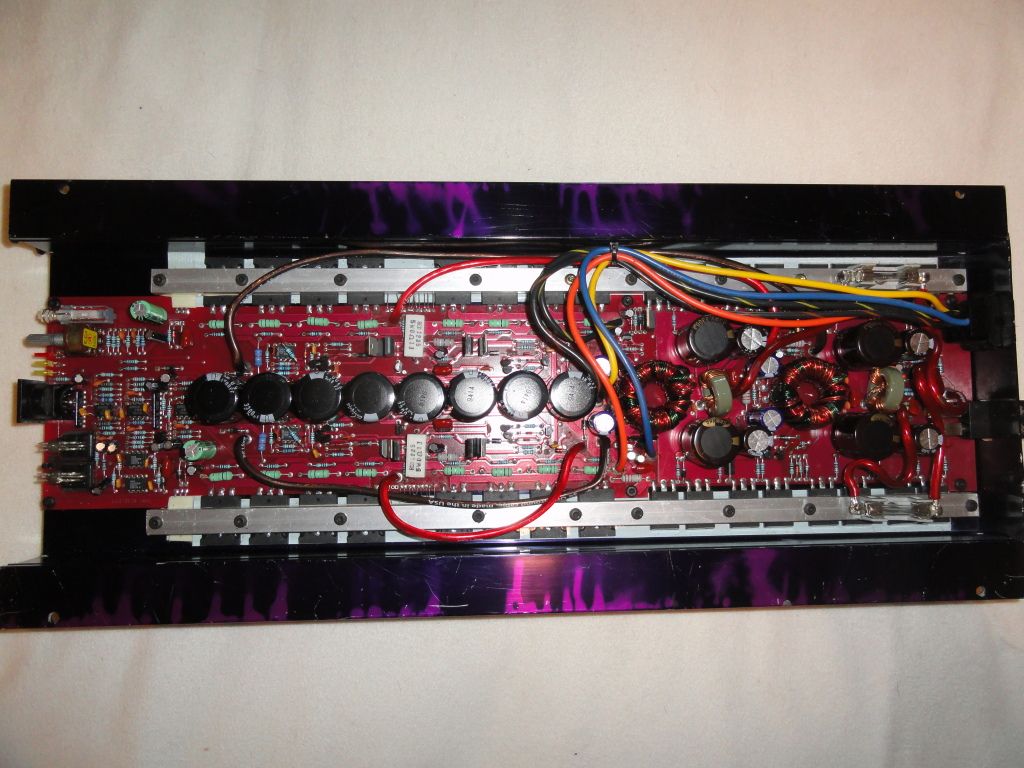
Orion NT 200 Internals


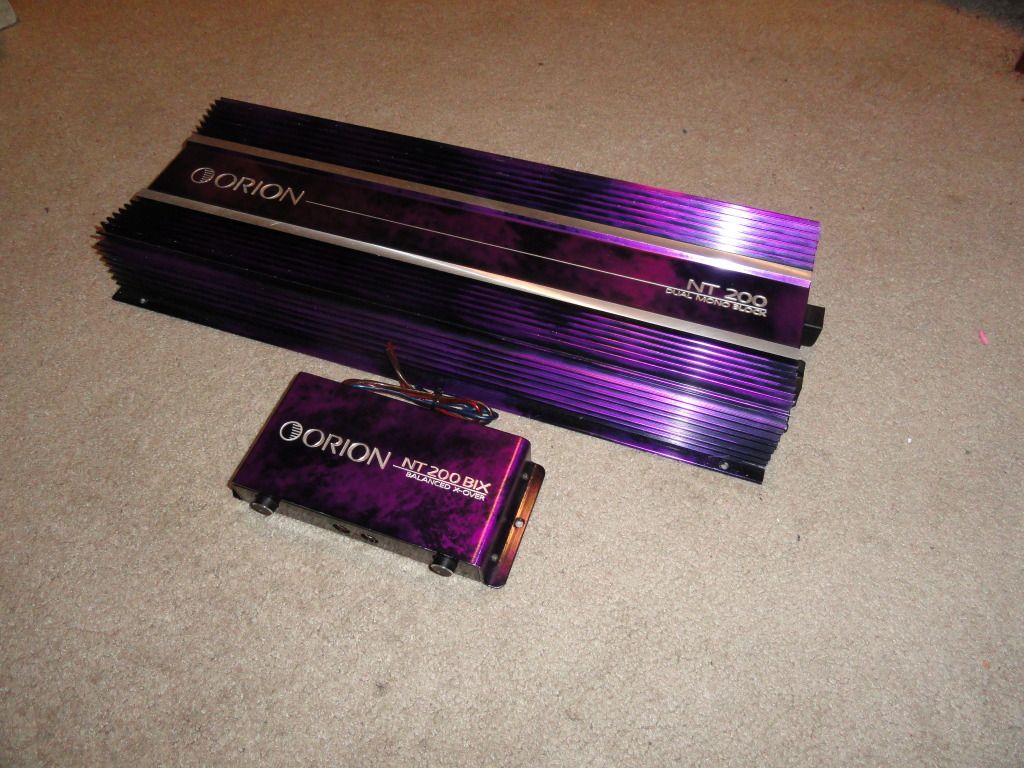
Orion NT 200 and NT 200 BIX


I didn't use my NT crossover because it requires XLR cables which I don't have. Maybe in a future install. And since I can't seem to find a picture of my chrome 2250's guts, I'll post something similar.
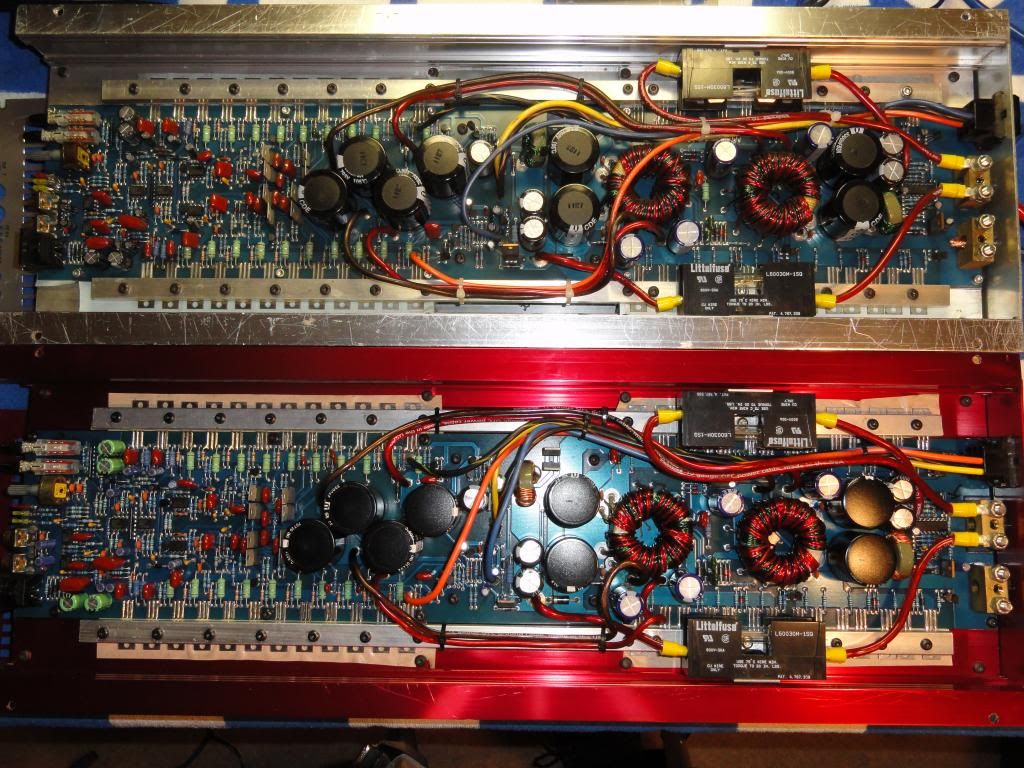
Orion Concept 97.3 and 2100 HCCA Competition Internals


^^Seen one, seen em' all!

So far the sound is truly breathtaking. I'll give a more in depth review once I get it dialed in and have listened to it for awhile. Thanks for looking!

Jason

------

And yes, if you were wondering, the Orion NT 200 you see in Jason's pictures is the one you may have seen before on this website and in my YouTube videos. Thanks to Jason for taking the time to do the review! If you'd like to write and article or make a video of your old school install, contact me through Facebook and let me know.


Make sure to Subscribe to my YouTube Channel to stay updated of my latest videos. You can also follow me on Twitter @oldschoolstereo. Also be sure to like us on Facebook.  Keep it Old School!!

-BigDWiz


Thursday, October 18, 2012

Amplifier Bench Tests Rare Amps and More


Once again, I've slacked off posting on the blog here. My apologies, I've been focusing on creating more content for my YouTube channel. Make sure you subscribe so you can stay updated and notified when I upload new content. My goal is to upload at least one video a week and for the past few weeks I've been doing 3 videos per week! See some of my recent video uploads below.

Wow, check a MINT copy of a mid-1970's Fosgate PR-235 amplifier. These amps are ULTRA-RARE and finding one in this condition is almost unheard of. Big thanks to Mike for sending this one my way!


Next up, a patiently awaited power output demo of a MINT Lanzar Opti Drive 50c ultra-cheater amplifier from the mid-1990's. Can it meet or beat it's 800w rating at 1/2 ohm mono? Watch the video to find out!


What about a purple beauty? Say what? The mid-1990's rare special edition Orion NT 200 arrives to the OldSchoolStereo.com labs for testing. This amplifier is a dual-mono design and was built to the strictest standards to ensure the best sound quality possible. Watch me un-box and show off this beauty! 


Now, here's another very interesting power output demo. We test the Orion XTR-2250 "The Beast" amplifier to see if it can stand up to it's name. Well, do you think it can match or exceed it's rated 1000w output at 4 ohms bridged? No spoilers here, watch the video to find out! 


Orion XTR-2250 RMS Power Output Video


***Amp output tests coming soon. We also have lots of cool overviews of some fantastic Old School Car Audio Thanks for your patience!***

Tuesday, September 18, 2012

Video Updates - Lanzar, Fosgate, Alpine and More!

I've uploaded several videos since the last blog post here on OldSchoolStereo.com. There are three videos about the Fosgate "Frequency Energizer" Model 201 processor. If anyone has any further details about these units, please contact me at oldschoolstereo[at] gmail dot com.

First up, see the Alpine 3342 11-band EQ / Sound Field Processor. Just a quick overview of the EQ and showing it in action!


Next up, see baby Lanzar Opti Drive Plus 50 amplifier. I've had several people request I show off how I test amplifiers for operation when they arrive at OldSchoolStereo's labs. This is not a power output test, rather a simple speaker test of each channel and bridged operation.


Next up, see the BIG Lanzar Opti Drive 50c "Ultra-High Current" amplifiers. You'll see an early 1994 blue model and a later 1996-1998 black model. I overview the connections and check the amplifier "guts" for differences between the models. In a future video, we'll also bench test each of these amps for power output. Do you think there will be a difference in the output at 1/2 ohm mono? It will be interesting to see...


Now, here's some vintage gear from Fosgate Electronics. Yes, I said Fosgate, not Rockford Fosgate. This means pre-1980, folks. The Frequency Energizer you'll see is from around 1973 and is the foundation for the Punch EQ circuit used in Fosgate and later Rockford Fosgate car audio amplifiers. 


Fosgate Frequency Energizer "Teaser" Video


Fosgate Frequency Energizer Overview Video


Fosgate Frequency Energizer Demo Video
See the vintage sound processors in action!


***Amp output tests coming soon...I've done tests on the Lanzar 50c and Orion XTR-2250. As soon as I get a chance to edit the videos, I'll have them online. Thanks for your patience!***


Tuesday, June 19, 2012

Old School Monster Car Audio Amplifiers

Some Old School Monster Amps from the OldSchoolStereo Collection...no Class D here!


Anyone who was in the car audio scene during the 90's probably recognizes names like "The Beast" and "Power 1000c". Old school monster amps were unlike the big mono block amps of today...they were Class A/B, much less efficient and some would say, much better sounding than the amps of today. I'm not getting in a battle of what's better, just confirming there are two sides here. Since you are visiting OldSchoolStereo.com, you are more than likely a fan of the older amps. Many of the amps you see in the picture above are almost legendary in the history of car audio. Let's talk a little about each amp and it's impact on car audio.


First off, you'll notice a trio of Orion amps, all bearing the same heatsink design. The "big red" Orion 2100 HCCA is well known to be a monster cheater amp. The "Digital Reference" model displayed above was rated to handle 2 ohm mono or 1 ohm stereo loads and put out in excess of 800 watts loaded down. Efficiency? Well, not so much. All of these big Orion's require a 2nd battery and an electrical upgrade on most vehicles. Why, might you ask? Well, these amps can pull over 100A of current and most stock electrical systems would not be able to handle this massive load. Speaking of massive, the XTR-2250 was so well known as "The Beast", Orion even engraved this saying on the amp. It is rated at 250 watts per channel at 4 ohms stereo, 500 watts per channel at 2 ohms stereo or 1000 watts bridged at 4 ohms. What you say? No one ohm bridged like a Sundown? No sir, this amp would and will fry if pushed too hard.


Orion Monster Amp Art by BigDWiz


Speaking of being pushed too hard, the Orion Concept 97.3 is an amp of almost legendary status. A quick search on the Internet will give you dozens upon dozens of different pages attempting to explain this amp. Orion introduced the amp in 1997 as a bold statement to IASCA and dBDrag for the wattage classes. The 97.3 was rated at 0.5 watts per channel at 4 ohms...yes, I said 1/2 watt per channel! What's up with that? Well, Orion was trying to show the "cheater amp" had gone too far when companies such as US Amps and their VLX-25 had ratings of 12.5 watts per channel at 4 ohms but put out over 1000 watts loaded down to 1/2 ohm. Orion, an originator of cheater amps with the 225 HCCA back in the 1980's, decided it was time for this to stop. What did they accomplish in their effort to change the rules? Well, they ticked off many competitors who attempted to use these amps at low ohm loads (and fried the amps) and even got the amp banned by IASCA in 1998 (source - Orion dealer). Why would the amp cause this much controversy? Check out these ridiculous ratings, it may help (ratings pulled from the Concept 97.3 manual):


STEREO (watts @ ohm load)


0.5x2 @4
1x2 @2
2x2 @1
4x2 @0.5
8x2 @0.25
16x2 @0.125
32x2 @0.0625
64x2 @0.03125
128x2 @0.015625
256x2 @0.0078125
512x2 @0.00390625


 MONO (watts @ ohm load)


2Wx1 @4
4wx1 @2
8WX1 @1
16WX1 @0.5
32WX1 @.25
64WX1 @.125
128WX1 @.0625
256WX1 @.03125
512WX1 @.015625
1024WX1 @.0078125


Next we'll talk about the monster Rockford Fosgate amps, the Power 1000c Mosfet "Terminator Edition" and Power 650 Mosfet. Back in the early 90's the 1000c sold for $2650, while the 650 was around $1800. Again, these amps were WAY out of the reach of most car audio fanatics including me. These Power Series amps all had model numbers based on their output at 2 ohms stereo or 4 ohms bridged. For example, the 1000c was rated at 150x4 at 4 ohms, 250x4 at 2 ohms or 500x2 at 4 ohms. Similarly, the Power 650 Mosfet was rated at 125x2 at 4 ohms, 167.5x2 at 2 ohms or 325x2 at 4 ohms bridged. Unlike the Punch series amps at the time, these Power series are not known to be underrated more than 10-15%. Both amps have a temperature controlled cooling fan and the 1000c includes an ultra cool LED meter for each channel.


1991-1993 Rockford Fosgate Power 1000c Mosfet Amplifier


Next up, we'll discuss the Precision Power ProMOS 450. This amp preceded PPI's "Power Class" line and the models in the ProMOS family were made from the late 80's until the mid 90's. The 450 was the most expensive ProMOS amp and incorporated two separate ProMOS 50's into one chassis. When the first ProMOS amp, the PPI ProMOS 2050 hit the market in 1989, it went for around $800. By the early/mid 90's, the four channel 450 could be picked up for around $900 US. All of the ProMOS amps were rated to handle 1 ohm stereo or 2 ohm bridged loads. The 450 had the following ratings; 50x4 at 4 ohms, 100x4 at 2 ohms, 200x4 at 1 ohm, 200x2 at 4 ohms or 400x2 at 2 ohms. The heat sink used by these older PPI amps are in my opinion, some of the most classy designs of all time. Very simple, yet elegant and powerful. Too bad PPI used the hateful proprietary Molex plug for speaker connections and straight 8ga wiring for the positive and ground connections. As you can see from the picture below, the ProMOS 450 is even longer than the Orion 2100 HCCA!


PPI ProMOS 450 "Art Series" vs. Orion 2100 HCCA "Digital Reference"


The Earthquake PA-2300 is another very powerful Class A/B amp from the 90's. It is rated at 380x2 at 4 ohms, 575x2 at 2 ohms or 1150x1 at 4 ohms. Based on ratings alone, this is the most powerful old school amp in the bunch. The newer Dragster DH-1804 edges out the PA-2300 in power ratings, but just slightly. The Dragster is another four channel amp rated at 180x4 at 4 ohms, 300x4 at 2 ohms or 600x2 bridged at 4 ohms. Although I haven't confirmed by testing, I believe the Earthquake PA-2300 may be the most powerful amp in this group. What do you think?


See my video overview of each amp below.


Make sure to Subscribe to my YouTube Channel to stay updated of my latest videos. You can also follow me on Twitter @oldschoolstereo.


Watch the video on YouTube in 1080P or embedded below: